
About Kaʻimiloa
Our History
At Kaʻimiloa, we embrace the ʻohana spirit. Just like the Hawaiian to English translation of Kaʻimiloa, our goal is to be a Seeker of Knowledge.
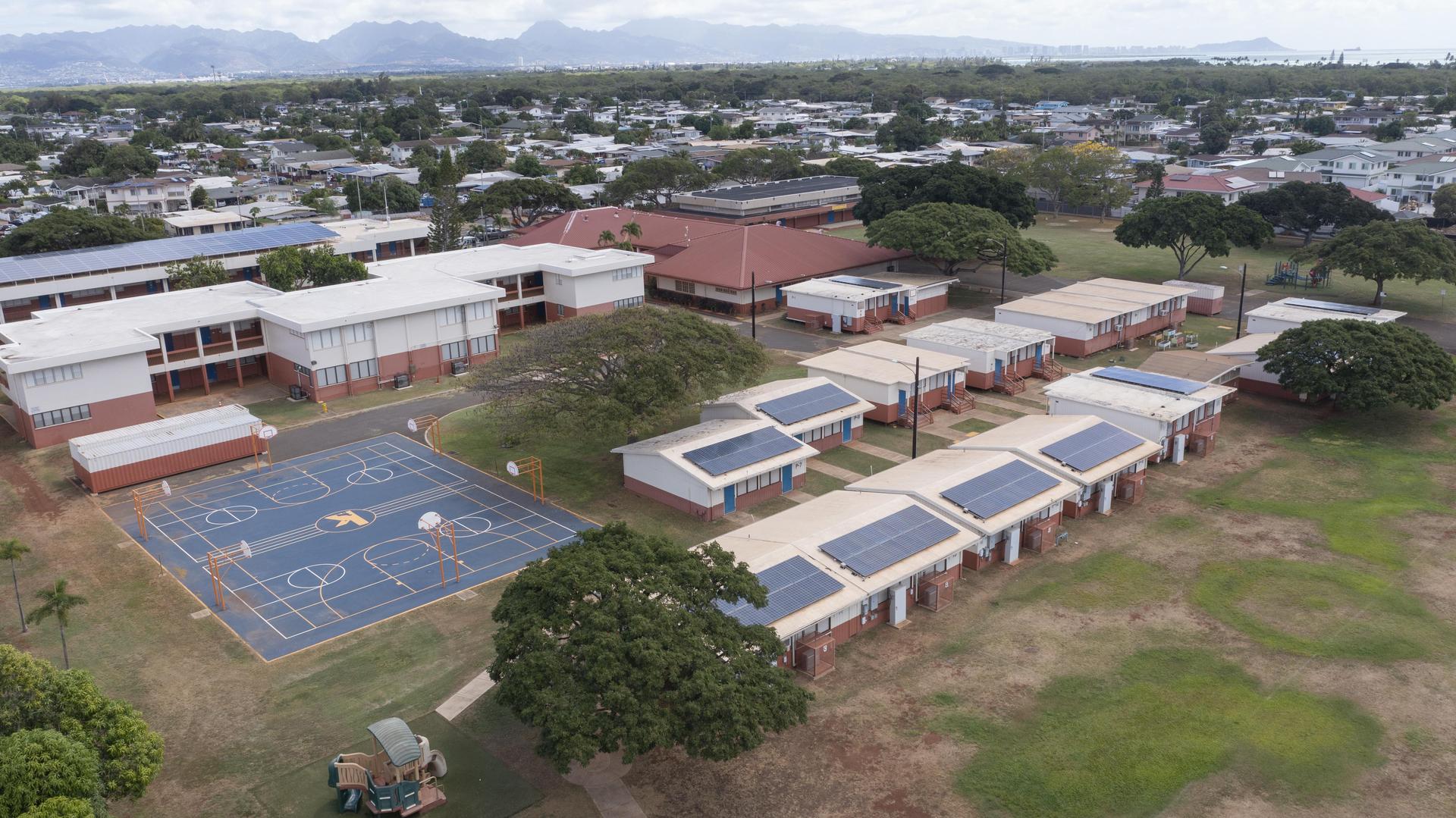
Kaʻimiloa opened in September 1972. It was built to serve Kindergarten through Grade 6 students from the ʻEwa Estates. Our school looked very different back then. Every single building was a portable classroom. This included:
- 32 portable classrooms
- a portable administrative office
- a portable library
- portable restrooms
There wasn't even a cafeteria! Instead, there was a portable with heating ovens. Kaʻimiloa was ask to try something new called the "frozen lunch" plan. Workers would heat up hundreds of frozen lunches to feed the students. Can you imagine that?!?! Luckily, this plan was abandoned because of the high cost and because there was not a variety of lunch choices.
Our campus has grown a lot since 1972. Our beautiful campus now has:
- 2 permanent classroom buildings
- an administration office building
- a library
- a cafeteria with a serving kitchen
- 14 portable classrooms that are still in use
We are proud that many generations of the same families come to our school. Some families have had grandparents, parents, and children all attended Kaʻimiloa. We even have teachers and staff members who used to be students here.
Welcome to our ʻohana! Welcome to Kaʻimiloa!
Visible Learning
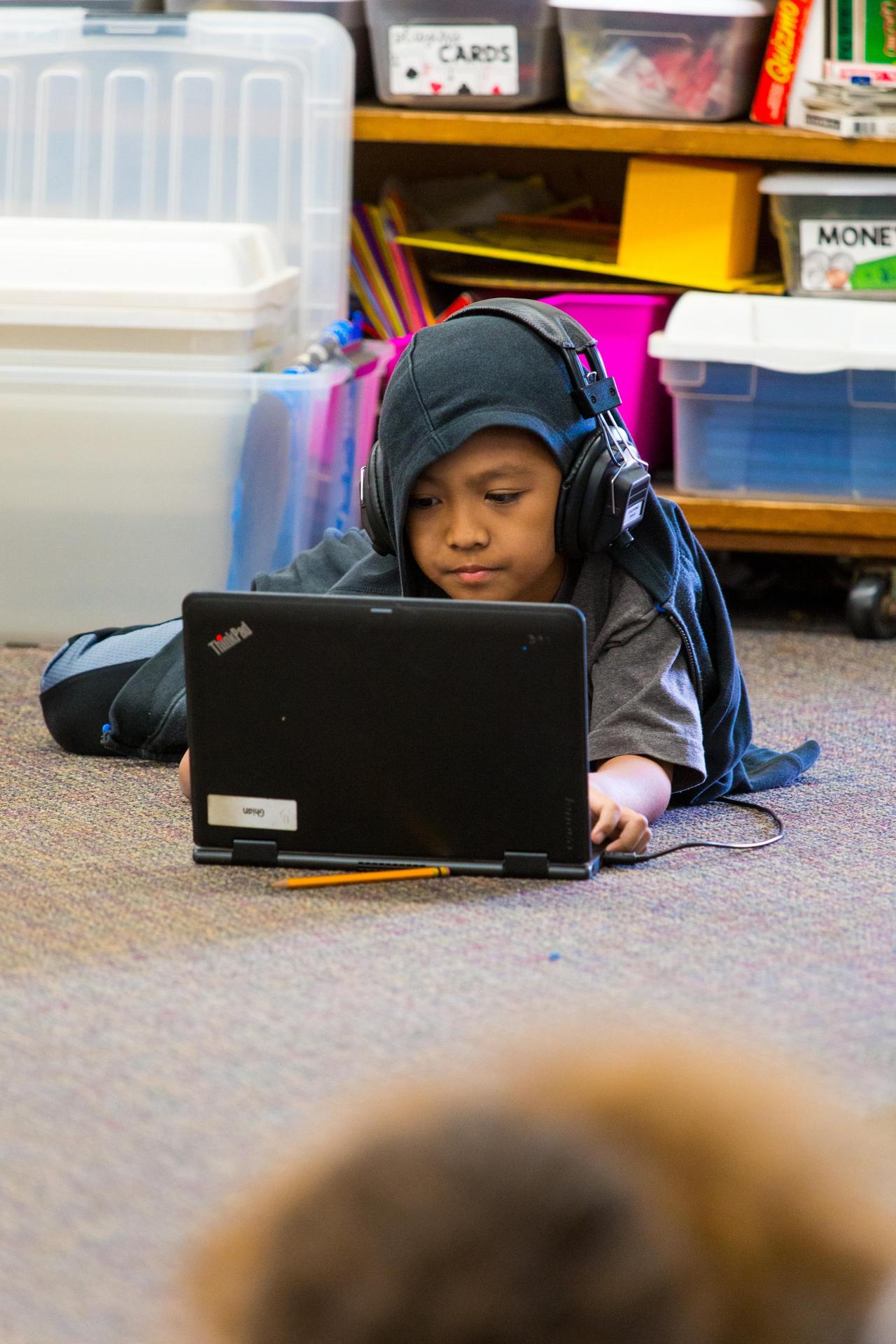
Our teachers and staff work hard every day to get better at what we do. We are a Visible Learning school. Visible Learning is based on a study by John Hattie. Hattie looked at what helps students learn best. This research helps us focus on how we teach, so we can make the biggest impact on our students.
We believe that with the support of their teachers, students need to take charge of their learning and of their progress. We use Learning Targets to tell the students exactly what they are learning, and we use Success Criteria to show what is needed to achieve that learning. We also work on developing of our 6 school dispositions:
We believe that with the support of their teachers, students need to take charge of their learning and of their progress. We use Learning Targets to tell the students exactly what they are learning, and we use Success Criteria to show what is needed to achieve that learning. We also work on developing of our 6 school dispositions:
- Self Motivate
- Persevere
- Reflect
- Connect
- Communicate
- Inquisitive
We believe that these dispositions will help our students succeed in all parts of their lives.
Sometimes, learning is a struggle - for both students and teachers! But we enjoy the challenge. We are determined for the success of our students to stretch far beyond the walls of Kaʻimiloa.
Sometimes, learning is a struggle - for both students and teachers! But we enjoy the challenge. We are determined for the success of our students to stretch far beyond the walls of Kaʻimiloa.
Choose Love
At Kaʻimiloa, we Choose Love...
Choose Love is an evidence-based social-emotional learning (SEL) program teaching students how to choose love in any circumstance. The program focuses on four important character values – Courage, Gratitude, Forgiveness, and Compassion in Action.
Students learn that Choosing Love means choosing to live a life with Courage and Gratitude, practicing Forgiveness, and being Compassionate individuals. Being able to Choose Love promotes their resilience in challenging times. As a result, students learn personal responsibility and the understanding that they always have a choice in how they respond.
Multi-Tiered Systems of Support (MTSS)
At Kaʻimiloa, our goal is to make sure every student learns at a high level and feels safe. To do this, we use a system called MTSS.
MTSS stands for Multi-Tiered System of Supports. This model helps us look at three main areas for every student:
- academic: your learning
- behavior: how you act and follow rules
- social: how you get along with others and feel about yourself
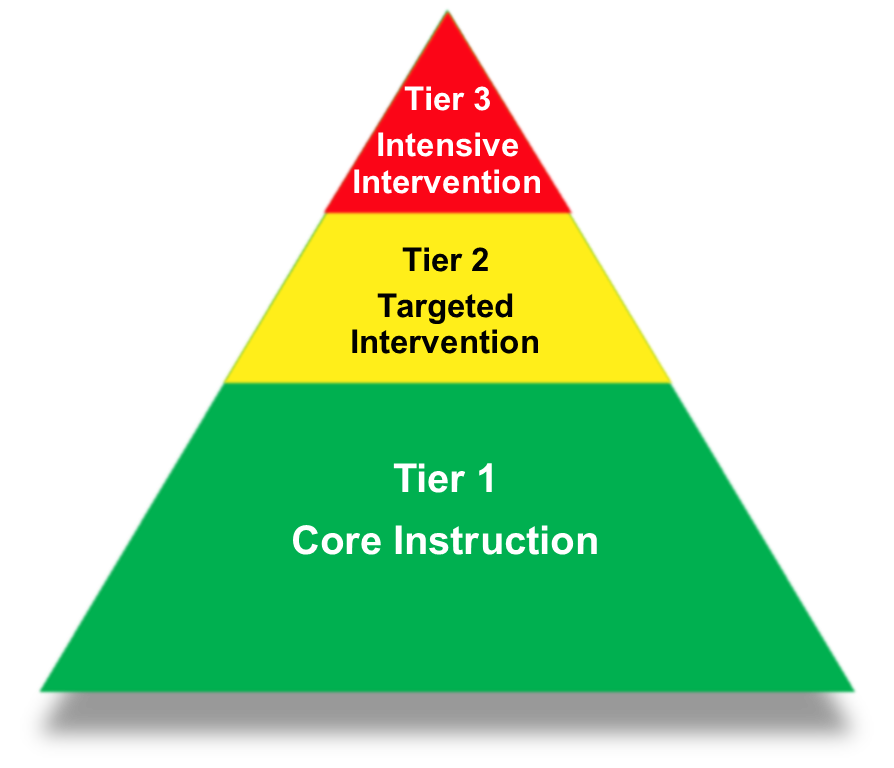
MTSS is structured in a pyramid. We have different levels of support to meet different student needs. The three-tiered model includes:
- Tier 1: broad strategies that help every student
- Tier 2: students who need a little extra help get targeted support in small groups
- Tier 3: students who struggle more get additional support in small groups or one-to-one
Visible Learning, Choose Love, and MTSS seemlessly blend together. We wan to be proactive and look for positive ways to impact our students academically, behaviorally, and socially.